• Sensory Results

    This week’s lab had some mixed emotions from me, as I appreciated the levels of creativity I achieved, but I felt as if I came ill-prepared for some of the lab and that is on me. I definitely should have done more research into the Steak Tartare, as ours was good, but it could have been much better if I payed more attention to when we seasoned the tartare, and various plating methods. I was happy with the plating of the tartare, but I would have appreciated looking at more before coming in to lab.

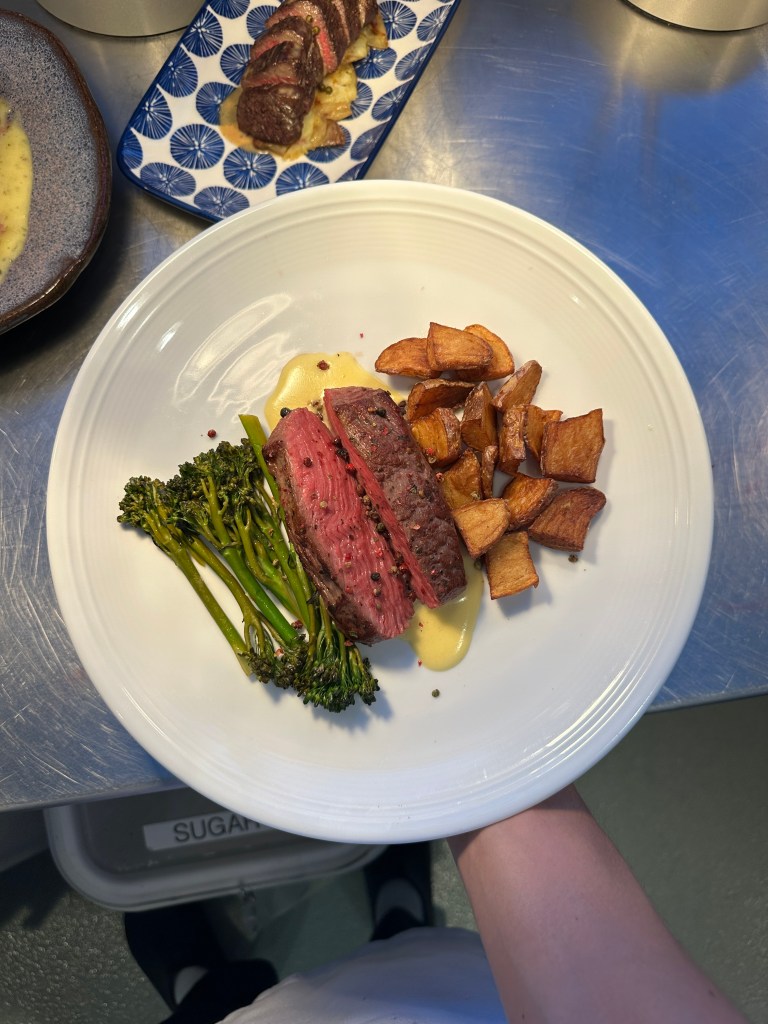
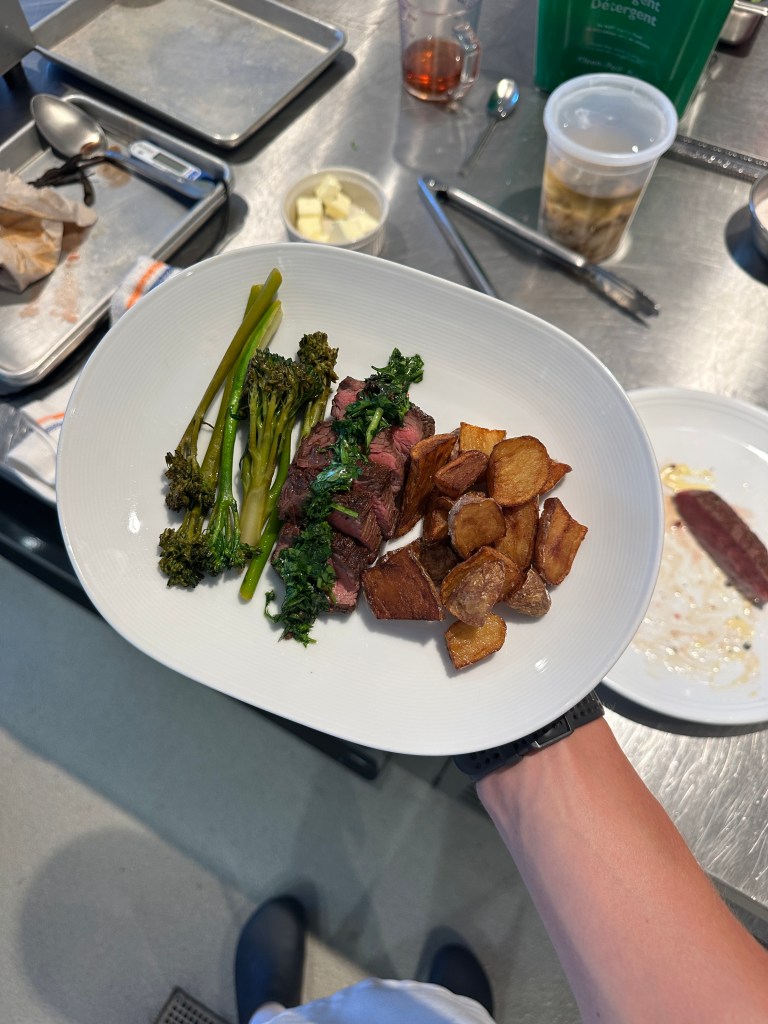
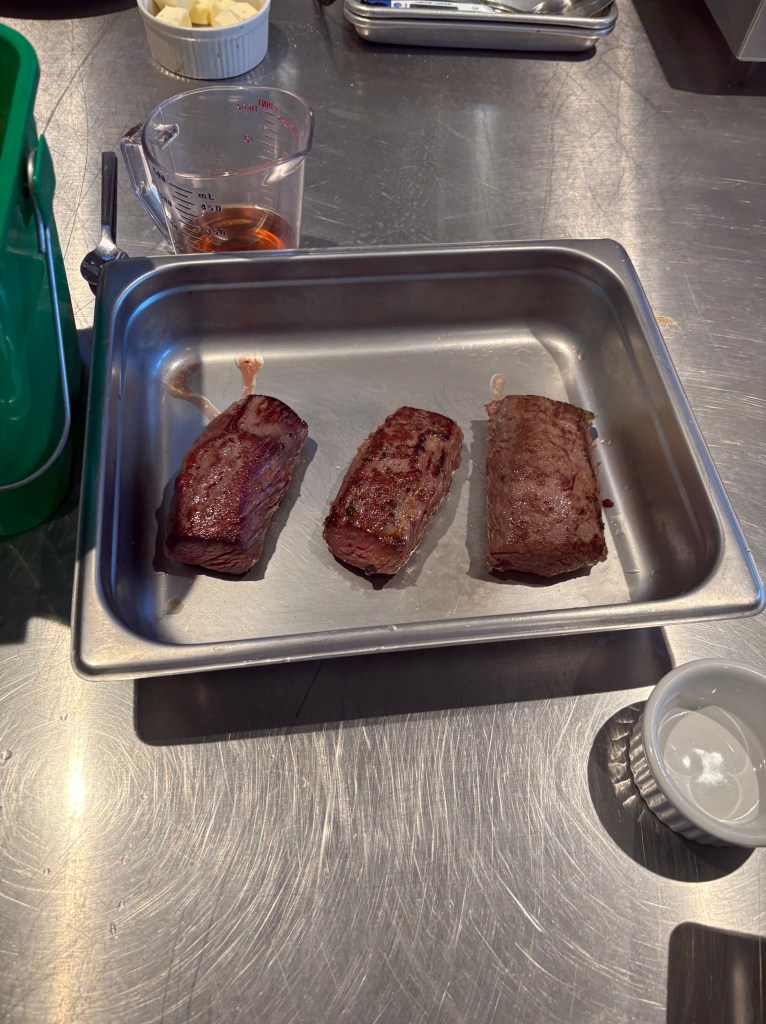
    I think I focused extremely on the steak, which was nice in that both of my steaks came out very well in my opinion, I did tend to lose focus on other dishes while in the process. I will say that the diced potatoes I fried up came out very tasty, despite having to finish them in the oven.

    All-in-all, lessons were learned this week, but each dish had very pleasant different levels of textures and flavors. Some flavors were leaning a little basic, so I hope to experiment more with each dish soon to play around with their flavor combinations. I did like the variety of textures however.

    Evaluation of Techniques

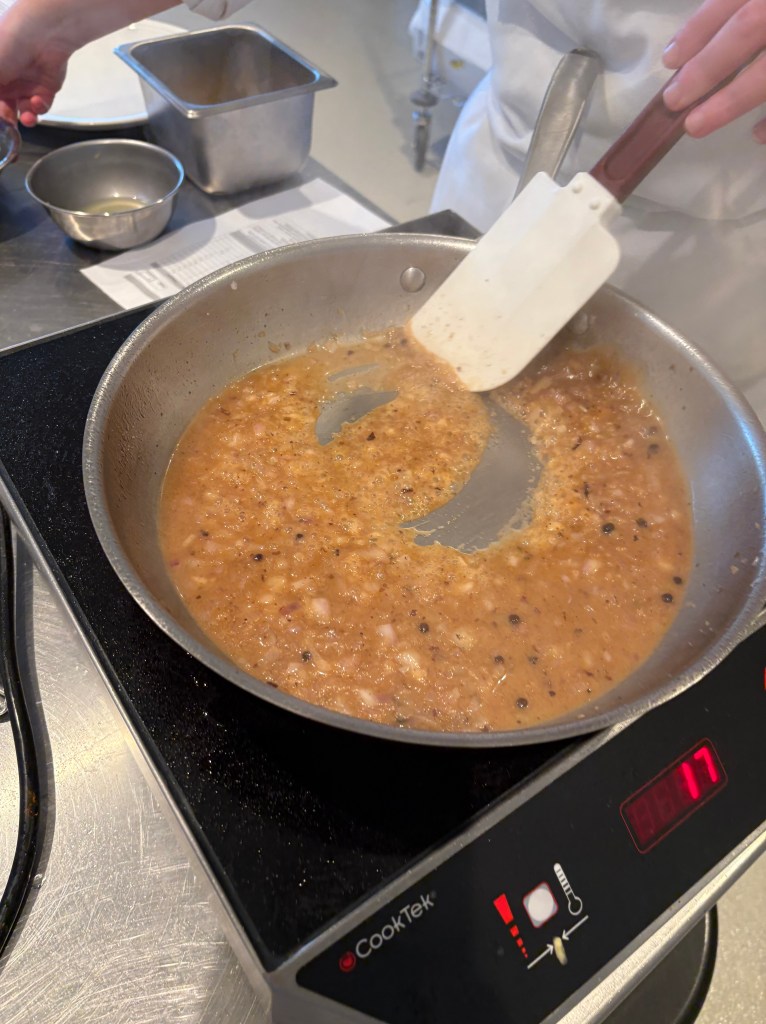
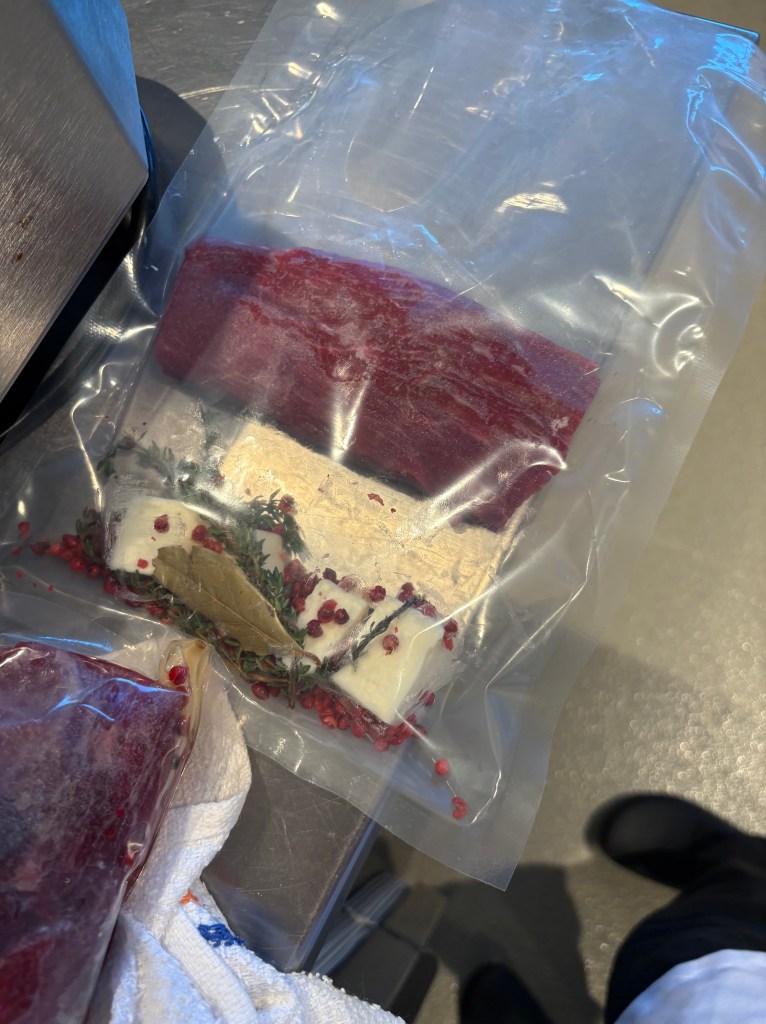
    For our methods of cookery, I believe that searing gave my steak the best flavor. I simply let it rest during lab, and then pan seared in a large cast iron skillet, and basted with sage butter. The crust was very nice, but the interior was cooked just right to medium-rare for me. I definitely think I need to experiment more with how done to cook steaks, because if I ever serve steaks at a restaurant I want to be able to serve any type of steak to any doneness.

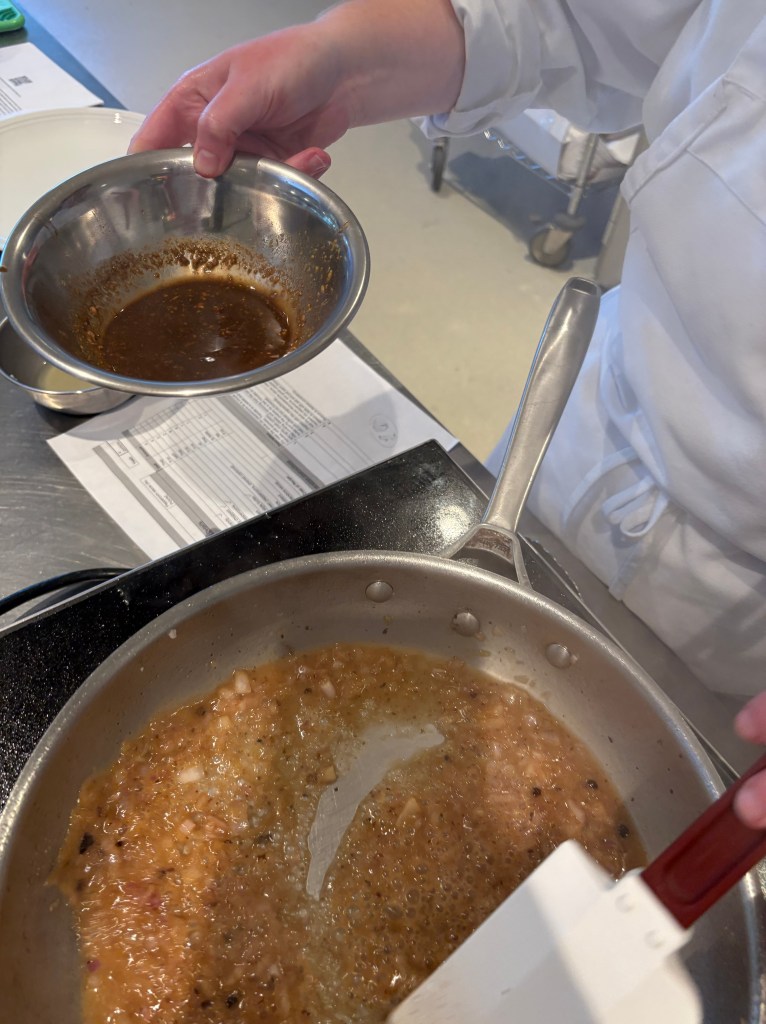
    Our ingredients for the week, tartare, was not my favorite dish we have done. I did appreciate getting to try it as it is something I have never had before, I was not a huge fan of the dish. That also comes down to our seasoning levels on the tartare, which could have been much better. I loved getting to use the smoke gun to infuse some smoke flavor into the tartare, which cut some of the vinegar-y taste of the tartare. After some research I have found some ingredients that I’d like to add to my tartare next time, such as fish sauce, nori, hot sauce, and more (Decker 2025).
    Conclusion

    I am hoping to improve my research skills in the next lab, as I seemed rush last week when researching and it definitely showed in my work this past week. I did enjoy getting to learn more about cooking steaks and how to prepare a tartare, and I hope to further my knowledge on each so as to gain more experience with each ingredient and method of cookery.

    Works Cited

    Decker, F. (2025, February 4). 12 ingredients to give steak tartare a flavor boostTasting Tablehttps://www.tastingtable.com/1775048/ingredients-steak-tartare-flavor-boost/
  • Module 4: Week of September 7th-13th, 2025

    Introductions

    This week, we will be learning more about Steak Tartare and cooking Ribeye Steaks. I am very excited about the Ribeye Steaks, as I am always intrigued at the different ways to cook steaks.

    As for the tartare, I am skeptical to see how I will like it, as I have never tried it before. However, I am looking forward to seeing the process and actually getting to prepare the tartare.

    For this lab, my goals are to be more organized with my timing, as well as more efficient with how I use my ingredients.

    Background Information

    “The ribeye is carved from the primal section called the beef rib. It falls between the chuck (shoulder) and the loin, and spans from ribs six through twelve,” (Omaha Steaks 2025). The result of this cut of meat is a subtle buttery texture thanks to the fat along with nice juicy meat that is often the pleaser of most who enjoy steaks.

    Steak Tartare originated as a French dish that was steak served raw with tartar sauce, hence the name. It is not to be confused with Roman “Tartars” who would eat their meat raw due to a lack of refrigeration (Nicoletti n.d.). The combination of minced raw beef along with different spices, and a vinegary, eggy sauce and toppings make way for a very interesting and different flavor and texture palette.

    Recipe Research & Development

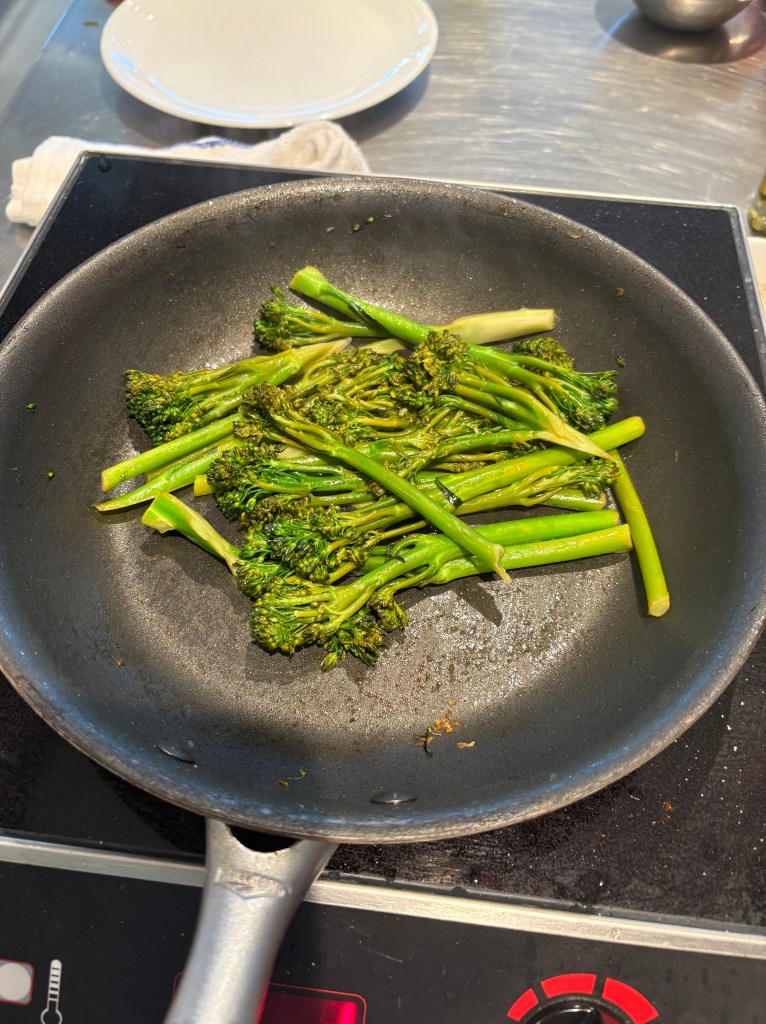
    I researched recipes for the steak tartare, broccoli, and potatoes. Each I found through The New York Times, but I will be using whatever bread is available for the steak tartare.

    The remaining dishes did not require any outside recipes, but I will be playing around with the sauces and their seasonings.

    Plan of Work & Recipes
    Works Cited

    Omaha Steaks. (2025, June 2). The butcher’s guide: What is a ribeye? Omaha Steaks. Retrieved September 9, 2025, from https://www.omahasteaks.com/blog/what-is-a-ribeye/?srsltid=AfmBOorP6EjXlZluiL6QZQoLWWxlDbro4OIaXri4eLESLkWnXJF6XW3a

    Nicoletti, C. (n.d.). Steak tartare. Food52. Retrieved September 9, 2025, from https://food52.com/recipes/33963-steak-tartare

  • Sensory Results

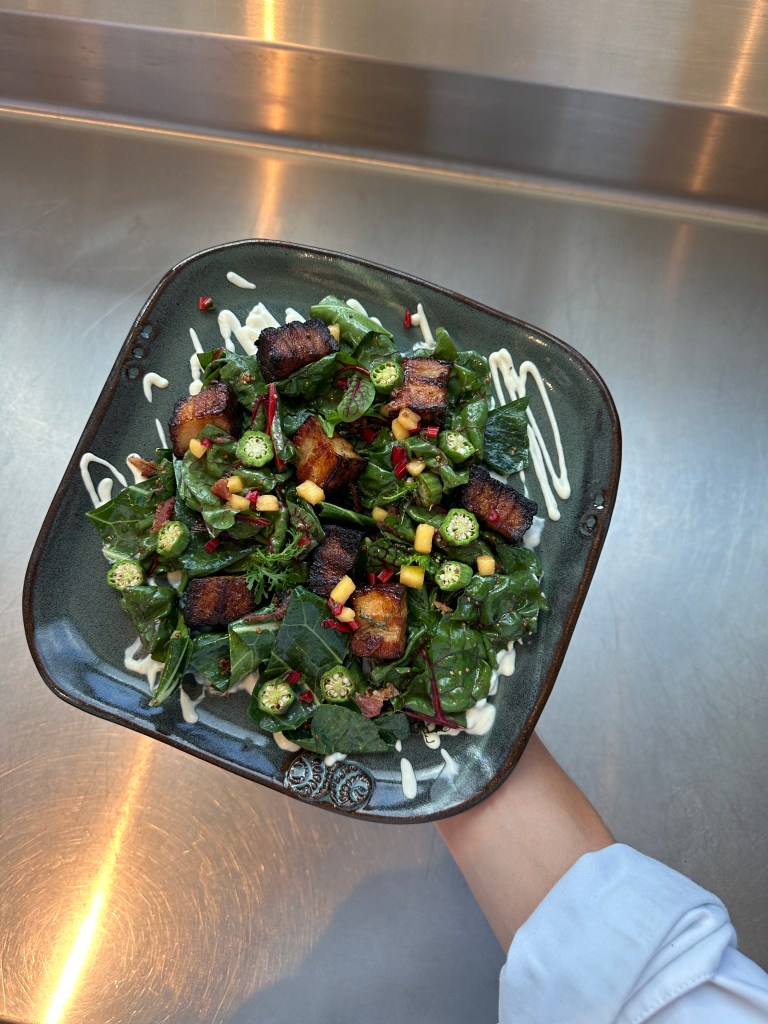
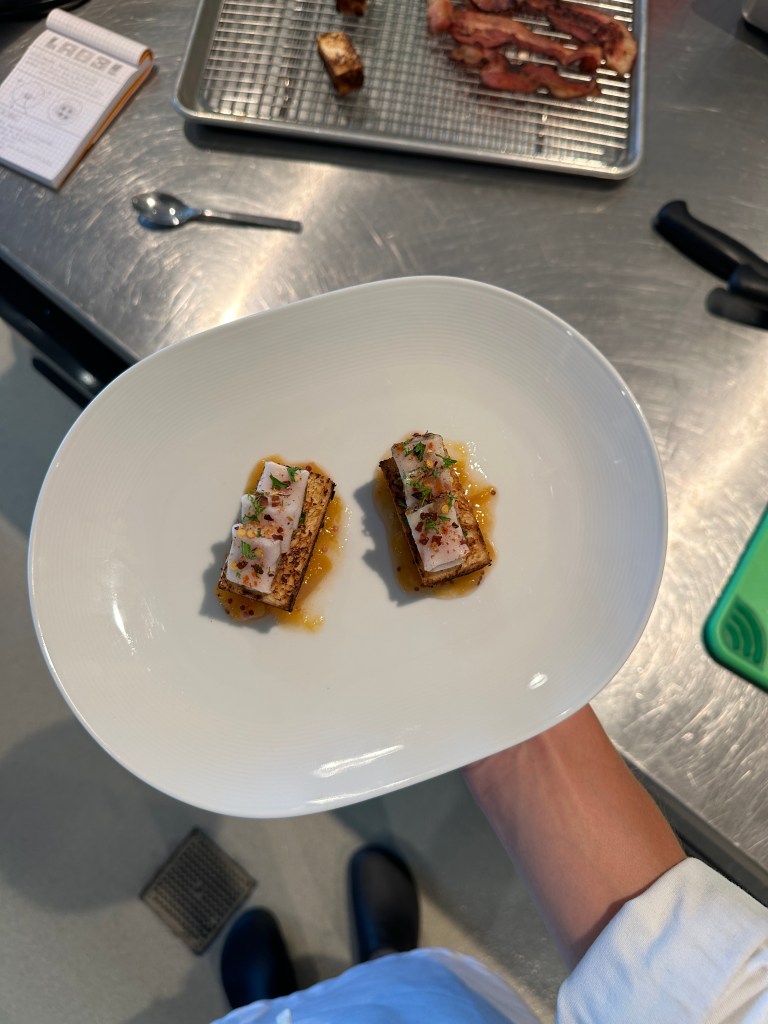
    I really enjoyed the levels of creativity that I got to achieve this week. Each dish resulted in various sensory results, such as the crunch of the brioche paired with the “melt-in-your-mouth” texture of the lardo, or the crisp edges of the pork belly paired with the crunchy bitter greens.

    One thing I very much appreciated with each dish was the different variations of flavor in each dish. The lardo had lots of umami flavor the was paired with a sweet, vinegary taste of the peach mostarda. The pork belly had a nice sweet and spicy flavor to it, while the bitter greens salad had a very nice taste thanks to the bacon vinaigrette, which offered a balanced vinaigrette flavor to the dish.

    Evaluation of Techniques

    This week, our technique of braising was put to the test with the pork belly. For me, I seared the pork belly before braising, while also searing afterwards (this was done by mistake), but it offered a really nice sensory result overall. While it was not ideal, I did appreciate the crunchy edges of the cubed pork belly, even though they were double seared.

    I do think that the searing led to a really nice flavor in the pork belly, as it retained a nice flavor throughout braising, but the second sear left the belly slightly caramelized with flavor, which was nice for me, but may not be everyone ideal way to eat pork belly. I’d love to try it again without doing the initial or final sear.

    Conclusion

    I really loved this lab as it allowed for many different opportunities for creativity. After doing some more research into braising, I found that the foundation is what makes a good braise and ensuring that your foundation is not only made up of excellent vegetables, but nice seasoned liquids and seasonings overall (El-Waylly 2021).

    I cannot wait to see what we get into next week.

    Works Cited

    El-Waylly, S. (2021, March 8). Sohla’s golden rules for braising. Food52. https://food52.com/story/26005-how-to-braise

  • Module 3: Week of August 31-September 6, 2025

    Introductions

    For this week’s lab, we are diving into different cooking methods for bacon so as to determine the best ways to cook bacon. We are also learning more about pork belly and lardo, and how to use each as ingredients in our dishes for this week.

    I have cooked bacon numerous times, but I am eager to see which style of cookery is assigned to me, and how it will turn out. I have cooked with pork belly before, but never with lardo, so I am also excited to see how this dish will play out.

    Background Information

    Cooking bacon can be done many different ways: in a skillet, in the oven, on a flat-top, etc. This week, we will each be assigned in our groups a different method to cook and prepare bacon given to us, and our job is to prepare it as perfectly as we can to experiment with the different methods. According to The New York Times, the trick of cooking bacon is to “keep the heat low, and you have more control; use olive oil in the pan, and you’re less likely to burn the outside,” (Bittman 2012).

    For our ingredients this week–lardo and pork belly–we source quality cuts of pork from the big, with the belly obviously being from the belly, and the lardo being sourced from the fatty parts of the pig’s back. Pork belly is a seemingly standard ingredient, as it is smoked and used commonly for bacon (Selasky 2015). Lardo is an Italian delicacy which can be eaten along and also can be used to cook with, making it a versatile and sustainable ingredient for most kitchens (Wang 2018).

    Recipe Research & Development

    For the Bitter Greens and Bacon Vinaigrette, I took two different recipes sourced from The New York Times Cooking, and I will combine them to make a salad using the greens tossed in the vinaigrette.

    For the remaining dishes, recipes were provided / not needed. For the Celeriac Puree, I want to add just a hint of nutmeg to play into the subtle creaminess of the puree.

    Plan of Work & Recipes
    Works Cited

    Bacon: 25 Ways. (2012, October 14). The New York Times Magazine. Retrieved from https://archive.nytimes.com/www.nytimes.com/interactive/2012/10/14/magazine/bacon-25-ways.html

    Wang, C. (2011, May 10). The Nasty Bits: LardoSerious Eats. Retrieved August 10, 2018, from https://www.seriouseats.com/nasty-bits-lardo-cured-fat-how-to-use

    Selasky, S. (2015, March 4). Ask the Test Kitchen: What is pork belly? Detroit Free Press. Retrieved from https://www.freep.com/story/life/food/recipes/2015/03/04/ask-test-kitchen-pork-belly-cooking/24386343/

  • Sensory Results

    Both dishes this past week were very appealing “sensory-wise”, with each having distinct tastes, textures, and looks. Despite both dishes having similar color palettes, I tried my best to distinguish each dish by playing around with their final garnishes.

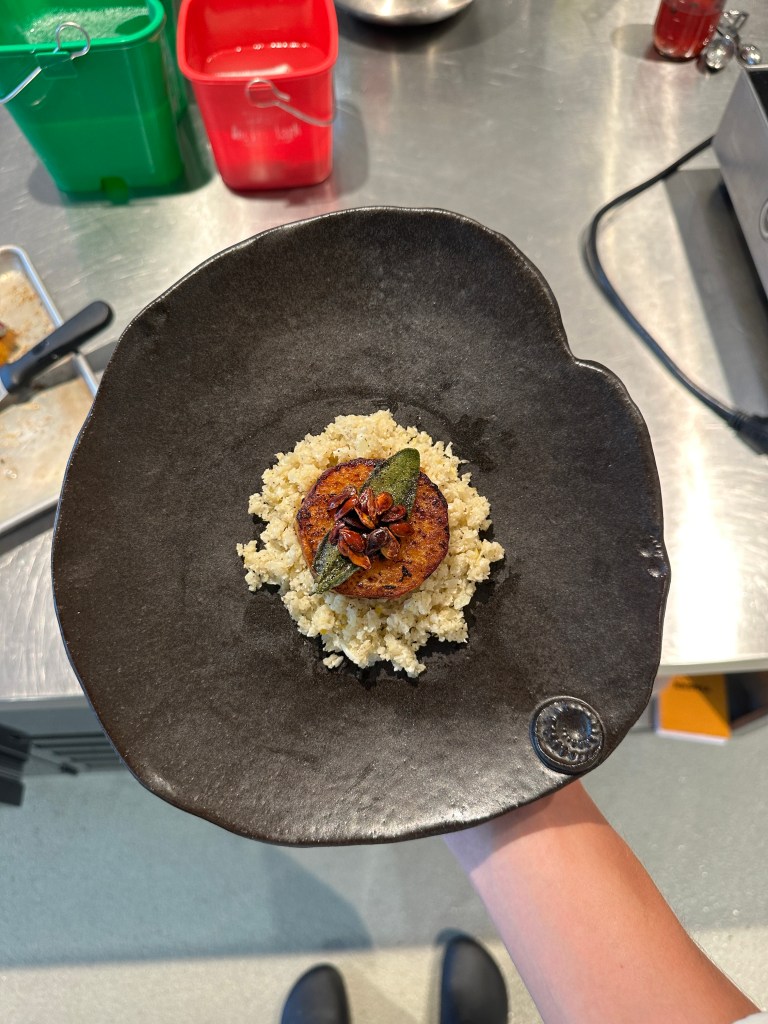
    Our amuse bouche had a nice texture to it, with a slight crisp on the crust. However, the flavor definitely lacked enough seasoning. Our soup was excellent, with a nice sweet flavor, and then a subtle heat that came afterwards. Finally, our squash steak and cauliflower rice was excellent with the different textures of the bright, citrusy rice, the warm and smoky squash, and the crispiness of the toasted seeds and charred sage.

    Evaluation of Techniques

    Our technique this week, pureeing, seemed to work extremely well being that the soup had such a nice consistency thanks to the blender rather than the immersion blender. According to Kelli Foster at The Kitchn, “… stand blenders have a leg up on immersion blenders in that they’re simply more powerful. That means they create creamier purées and smoother soups, sauces, and dips, ” (Kelli Foster 2016).

    I think that next time, I would like to pay more attention to seasoning for the various vegetables, because I feel that seasoning was the biggest improvement I could have made overall for each dish to have a brighter, more remembered flavor.

    Conclusion

    Overall, I would say that each dish this week was a success, with particularly the technique of pureeing being a huge success. My one improvement as mentioned before would be to work on paying closer attention to seasoning the dish. Seasoning is all about empowering the meal, and “to bring out the best in the food,” (Stonesoup 2025).

    I do feel that our group worked extremely well together, we executed our plan of work very well, and our one thing to work on for the upcoming week will be better “in-the-moment” communication.

    Works Cited

    The Kitchn. (n.d.). When to use a stand blender vs. an immersion blender. Retrieved September 1, 2025, from https://www.thekitchn.com/when-to-use-a-stand-blender-vs-an-immersion-blender-229281

    Clancy, J. (2010, June 24). The absolute beginners guide to the art of seasoningStone Souphttps://thestonesoup.com/blog/2010/06/24/the-absolute-beginners-guide-to-the-art-of-seasoning-5-ingredients-10-minutes/

  • Module 2: Week of August 24-30, 2025

    This week, we are learning about and cooking advanced soups (i.e. bisque) as well as vegetable puree. The primary ingredient for the week we are discussing is trumpet mushrooms.

    I am eager to learn and discuss more unique methods to cook and prepare soup, as it is seemingly a traditional dish that warrants not a lot of creativity for the most part. I am also eager to use trumpet mushrooms, as they are an ingredient that I use sparingly but have enjoyed preparing before.

    I have made numerous soups in the past, as well as vegetable purees, but I have sparingly used trumpet mushrooms as they can be hard to find.

    Soups & Purees

    Soups and Vegetable Purees are two simple and delicious dishes to prepare when wanting to use a surplus of vegetables, meats, stocks, and more. According to The Culinary Pro, soups can be divided into two units: “clear varieties based on broths and prepared stocks, or thick soups which are emulsified with starches and dairy products to give them more body,” (John Reiss 2025).

    This week, we are preparing a thick soup, Butternut Squash Bisque. The process of the recipe is roasting the squash until cooked completely, and then pureeing it with a simmered onion-cream mixture.

    Trumpet Mushrooms

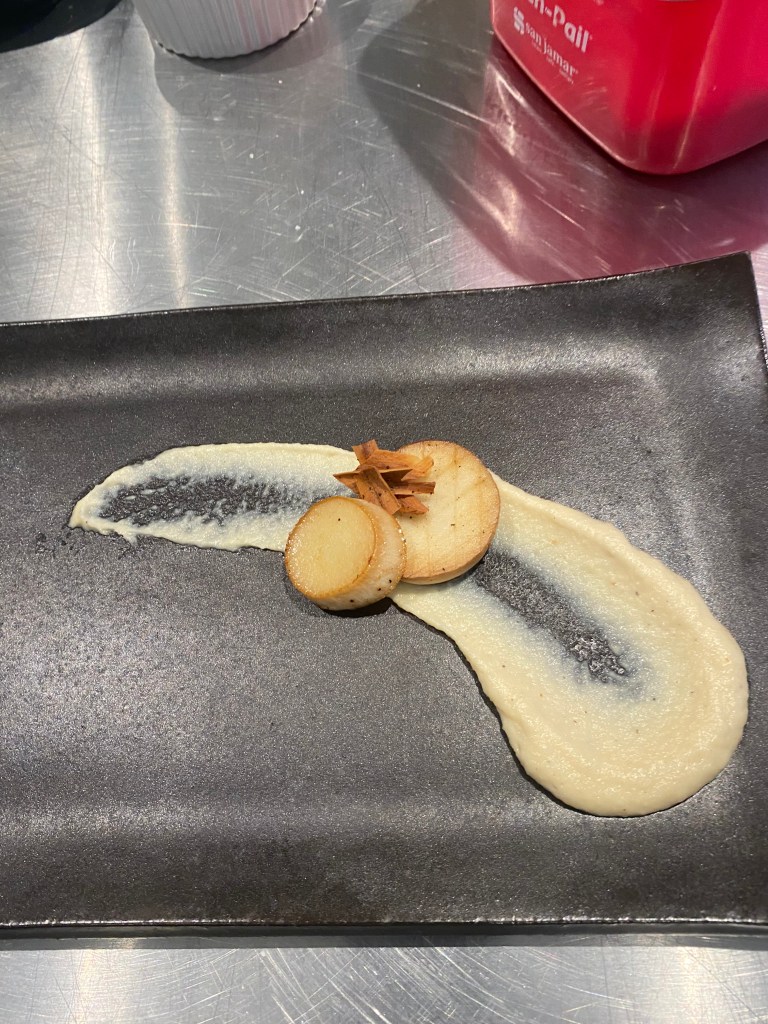
    Trumpet Mushrooms are known for their meat-like texture, as well as their nutty flavor (Mushroom Council 2025). These mushrooms can be prepared many different ways, particularly like a scallop since their texture is very similar to such. This can be done by slicing the stem of the mushroom into discs, similar to the shape of a scallop, and cooking just like you would a scallop (seared, grilled, etc.).

    When choosing these mushrooms at the store, you should look for ones that are firm, dried on the exterior (but not dried out), and have a smooth appearance to them (Mushroom Council 2025).

    This week, my group will try preparing the mushrooms like scallops, and serving them with an Onion & Parsnip Soubise and a Parsnip Crisp.

    This Week’s Recipes

    The recipes I will be providing this week are for the Onion & Parsnip Soubise as well as the Parsnip Crisp. Both recipes I will be taking pieces from two separate recipes from The New York Times Cooking. I appreciated both recipes, because each were simple enough to change around seasonings to prepare something slightly different.

    For the recipes provided by Chef Traynor and Rivera, I am excited to take the Butternut Squash Bisque and have fun with the plating, such as a creme fraiche drizzle, toasted seeds, and possibly olive oil.

    Works Cited

    King Trumpet Mushrooms — Mushroom Council
    Mushroom Council. (n.d.). King trumpet mushrooms | Mushroom varieties 101. Retrieved August 26, 2025, from Mushroom Council website: https://www.mushroomcouncil.com/mushroom-101/varieties/king-trumpet/

    Soups — The Culinary Pro
    The Culinary Pro. (n.d.). Soups. Retrieved August 26, 2025, from The Culinary Pro website: https://www.theculinarypro.com/soups