
Introductions
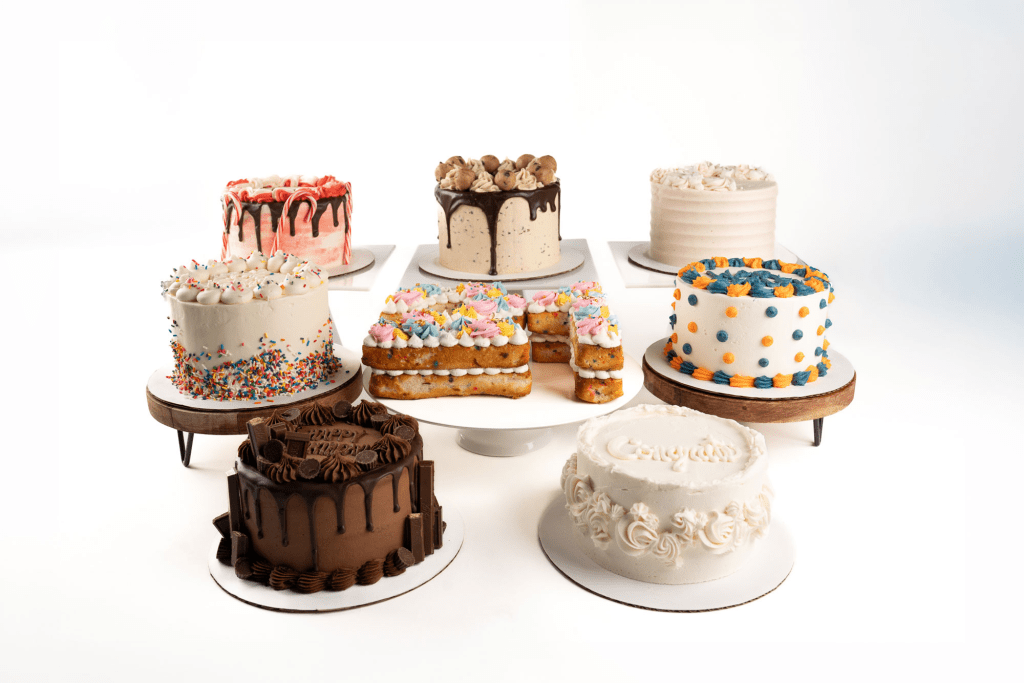
This week’s focus on cakes, icing, and piping highlighted the technical precision and creativity required in pastry arts. From properly mixing cake batters to achieving smooth, stable icings and executing controlled piping techniques, each component plays a critical role in both the structure and presentation of a finished product. Understanding these fundamentals not only improves consistency and quality but also allows for greater artistic expression in cake design.
Background Information
Cakes are one of the most foundational elements in baking, relying heavily on proper ingredient ratios and mixing methods to achieve the desired texture and structure. Techniques such as creaming, foaming, and the use of chemical leaveners like baking powder or baking soda directly impact the final crumb, moisture, and rise of the cake. According to Gisslen (2013), the balance between fats, sugars, eggs, and flour determines whether a cake will be tender or dense, while overmixing can lead to excessive gluten development and toughness. Additionally, precise temperature control during baking is essential to ensure even structure and prevent collapse or dryness (Figoni, 2011).
Icing and piping serve both functional and decorative purposes in cake production. Icings such as buttercream, ganache, and royal icing vary in composition and stability, making them suitable for different applications. Buttercream, for example, is widely used for its versatility and smooth texture, while royal icing is preferred for intricate decorative work due to its ability to harden. Piping techniques require control, consistency, and familiarity with different tips to create designs such as borders, rosettes, and lettering. As noted by the Culinary Institute of America (2016), mastering piping techniques enhances visual appeal and professionalism, transforming simple cakes into refined finished products.
Dish/Method Variations
Overall, this week emphasized that successful cake production depends on both scientific understanding and practical skill. By developing consistency in baking, icing, and piping techniques, it becomes possible to produce desserts that are not only structurally sound but also visually compelling.
Recipes & Plan of Work
Works Cited
Culinary Institute of America. (2016). Baking and pastry: Mastering the art and craft (3rd ed.).
Figoni, P. (2011). How baking works: Exploring the fundamentals of baking science (3rd ed.).
Gisslen, W. (2013). Professional baking (6th ed.).
 Jack Burke
Leave a comment