
Introductions
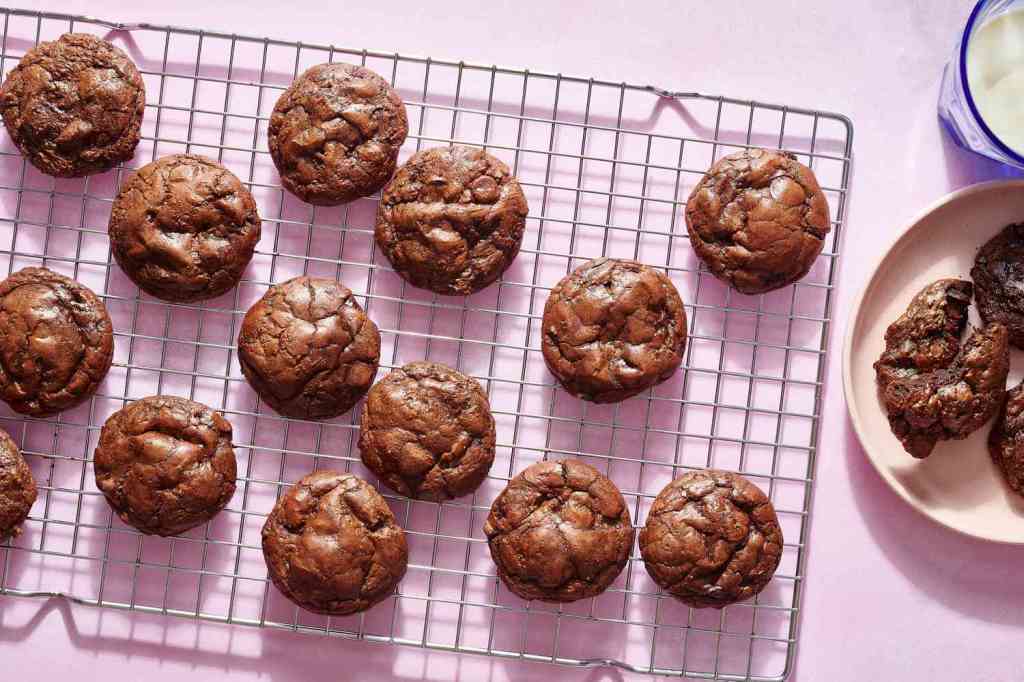
This week, we are going to be working on three different methods when it comes to baking different types of cookies and brownies. The methods are piped, dropped, and sheet, which each result in different types of cookies and/or brownies. The piped cookies are classic spritz cookies, the dropped are a chocolate chip and a vanilla diamant cookie, and the sheet will be standard chocolate brownies. I’m very excited for this week’s lab, because each recipe is not just easy, but result in super delicious treats.
Background Information
Let’s dive into the history of cookies: their origins and how they came to be popular in the United States. To do this, I read an article by Jonathan Lord published in 2022, which talks of different countries each having their own variation on cookies, with its earliest known form being in 7th Century Persia which is now modern-day Iran. As their popularity began to spread, different countries took their own spins on the recipes, such as “biscuits” in England, “biscotti” in Italy, and “gallentas” in Spain. Their arrival to the United States was most influenced by the creation of the railroad, when different ingredients such as various fruits and nuts began spreading across the United States. Ruth Graves Wakefield, who was a pastry chef and the Toll House Inn in Massachusetts during the early 1900s, created one of the most famous cookies when she ran out of baker’s chocolate and used a bar of semi-sweet chocolate chopped-up that she incorporated into the dough. Thinking the chocolate would melt, it actually created one of the most famous cookies of all time: the chocolate chip cookie. She sold the rights eventually, and the cookie became the official cookie of Massachusetts in 1997. (Lord 2022)
To understand the different cookie methods we are making this week, it’s crucial to know the different mixing methods as well as the many more variations that a cookie can take on. When it comes to mixing cookie dough, it’s important to know that unlike a cake batter, there typically is not a lot of liquid in the dough. The low liquid amount is how the cookies take on their individual shape on a sheet tray. The dough usually starts with creaming butter and sugar(s), then liquids such as eggs, and then finished with the dry ingredients. Cookies are typically leavened with baking soda or baking powder. Other than the piped, drop, and sheet cookies we are making, other variations of cookies include: icebox, bar, cut-out, pressed, rolled/molded, and wafer. Each cookie is distinct based on its recipe, its method of mixing, and its method of finishing (i.e. dropped, piped, etc.). There truly is no limit to how many variations you can make of a cookie or a brownie.
Dish/Method Variations
As mentioned, cookies and brownies can vary tremendously by their recipe, method of mixing, and method of finishing. This week, our piped cookies can vary by how you decorate them (sprinkles, icing, etc.), whereas the dropped cookies (chocolate chip and vanilla diamant) can vary by the ingredient incorporations. They can also vary by how you finish them, because you could press this dough into a pan and make a cookie cake or bar rather than individual cookies. Lastly, our brownies can vary by the amount of liquid, chocolate, or dry ingredients incorporated because this determines how cake-y or fudge-y the brownies will turn out.
Recipes & Plan of Work
Works Cited
Fat Daddio’s. (2022, January 1). Methods & techniques for cookies. https://fatdaddios.com/methods-techniques-for-cookies/
Jonathan Lord Cheesecakes & Desserts. (2022, February 17). The history of cookies. https://www.jonathanlordcheesecake.com/the-history-of-cookies
 Jack Burke
Leave a comment