
Introductions
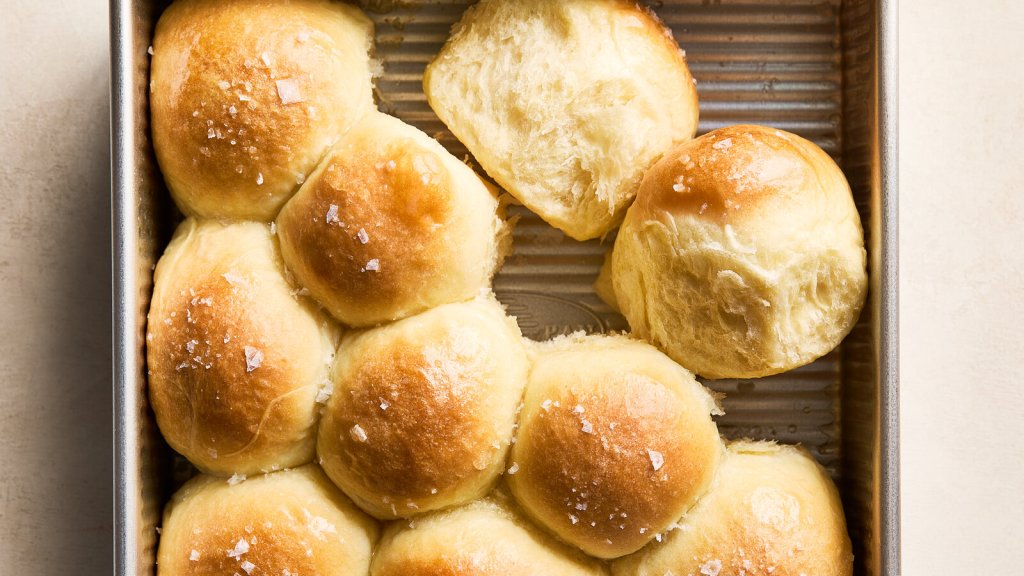
This week we are diving into the art of basic yeast breads, including yeast rolls, an Italian loaf, and a rye loaf. Our objectives to learn this week consist of knowing which yeasts to use, knowing how to knead and prepare yeast breads, and then being able to evaluate the outcomes of a good-quality yeast loaf.
Background Information
First, let’s take a look at what yeast is and what it does when we use it to bake. Yeast is a living organism, “It needs food and moisture to thrive,” (McKenney 2025). Yeast is divided into two types: a brewer’s yeast for beer brewers, and a baker’s yeast for baking needs. Depending on the use of yeast will tell you which yeast you need to purchase and how to use it.
“When combined with liquid and sugar, yeast makes dough rise,” (McKenney 2025). Yeast is the foundation for many different baking recipes because it is able to give light and airy textures to recipes that would otherwise be dense and chewy. It’s important to take care of your yeast, store it properly, and use it properly.
Dish/Method Variations
Our recipes this week have very little variations when it comes to the overall recipe, since bread baking needs precise ingredients to ensure proper textures, rise, etc. However, a fun way to incorporate something different into the yeast rolls is how you finish the rolls, such as using a honey butter, savory butter, or even filling the finished rolls with different sweet or savory fillings.
Recipes & Plan of Work
Works Cited
Sally McKenney. (2025, October 2). Baking with yeast guide. Sally’s Baking Addiction. https://sallysbakingaddiction.com/baking-with-yeast/
 Jack Burke
Leave a comment